


Sustainable Tourism
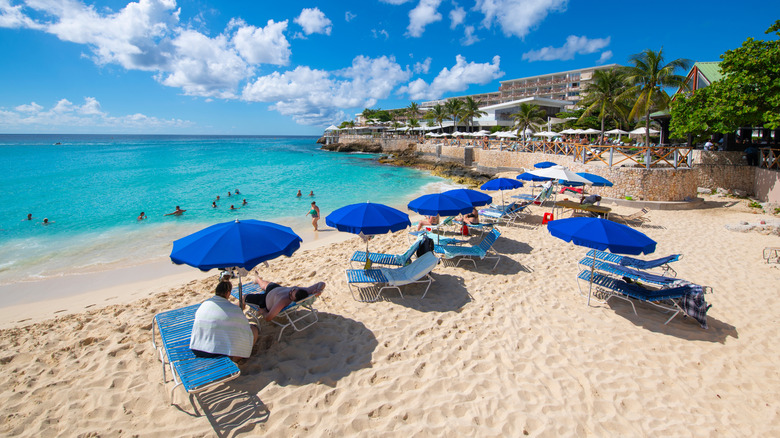
The Caribbean is one of the most beautiful places on earth. People travel from around the world to experience its crystal-clear waters, white sand beaches, vibrant coral reefs, lush rainforests, and extraordinary wildlife.
Tourism is vital to our economies, but it also creates a catch-22: the more people who come to enjoy this beauty, the greater the pressure on fragile ecosystems. Air travel increases carbon emissions, resorts generate waste and plastic, freshwater resources are strained, and natural habitats can be damaged.
Sustainable travel offers a better path forward. It allows visitors to have an incredible, memorable experience while being thoughtful about how their choices impact the environment and local communities, reducing harm, respecting nature and culture, and, whenever possible, leaving the places they visit even better than they found them by supporting local businesses, conservation efforts, and community initiatives.
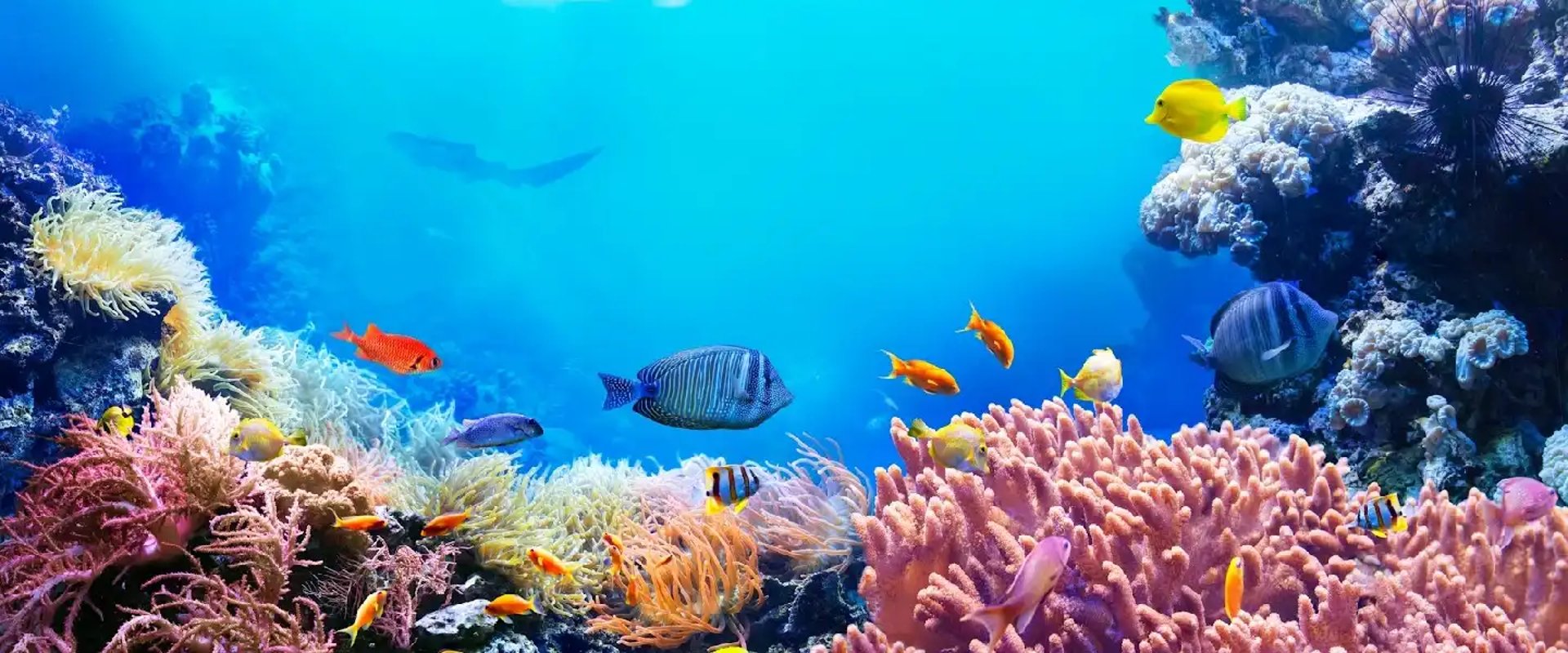
Most travelers would never intentionally harm the places they visit, but many of the biggest impacts of tourism are hidden in everyday choices people don’t even think about. Global hotel chains, for example, often import food, furniture, and supplies instead of sourcing locally, which means much of the money spent never reaches the local community, and local farmers and businesses miss out.
Some resorts also consume enormous amounts of water and energy, sometimes limiting access for nearby residents. Common sunscreens contain chemicals like oxybenzone that can damage coral reefs, while activities like feeding wildlife, taking photos with captive animals, or even standing on coral can disrupt fragile ecosystems. Single-use plastics, such as water bottles and takeaway containers, often end up in the ocean, and frequent linen and towel changes dramatically increase water and chemical use. Even seemingly positive gestures, like giving money or gifts directly to children, can unintentionally create dependency or disrupt local social systems.
Becoming a sustainable traveler means being aware of these hidden impacts and making more thoughtful choices — supporting locally owned businesses, choosing reef-safe products, reducing waste, respecting wildlife, and ensuring that your visit contributes positively to the people and places that make the Caribbean so special.
Follow us to be a more sustainable traveler and to find people and places that have similar beliefs across the region so we can work together to keep the Caribbean beautiful and pristine!
How To Be a More Sustainable Traveler
Small choices can make a big difference. Here are simple ways to reduce your impact and help protect the Caribbean’s people, culture, and natural beauty:
1. Fly smarter.
Air travel is often the largest part of your carbon footprint. Choose direct flights when possible and stay longer rather than taking multiple short trips.
2. Choose certified accommodations.
Stay at hotels or guesthouses certified by credible organizations such as EarthCheck or aligned with GSTC standards. These properties actively manage energy, water, waste, and community impact.
3. Support local.
Eat at local restaurants, buy from local artisans, and choose locally owned accommodations and tour operators. This ensures your spending benefits the community you’re visiting.
4. Travel with conservation-minded guides.
Join snorkeling, diving, hiking, or wildlife tours led by trained conservation professionals who protect nature, not exploit it.
5. Reduce single-use plastic.
Bring a reusable water bottle, coffee cup, shopping bag, and cutlery. Plastic waste is one of the biggest threats to Caribbean ecosystems.
6. Protect our reefs and wildlife.
Use reef-safe sunscreen, never touch coral, and avoid activities that involve captive or exploited animals.
7. Conserve water and energy.
Reuse towels, turn off lights and AC when leaving your room, and be mindful that many Caribbean islands have limited freshwater resources.
8. Give back.
Support conservation organizations, community projects, or local initiatives. Even small contributions help protect these islands for future generations